How to Make an Old Fashioned: Classic Recipe & Right Tools
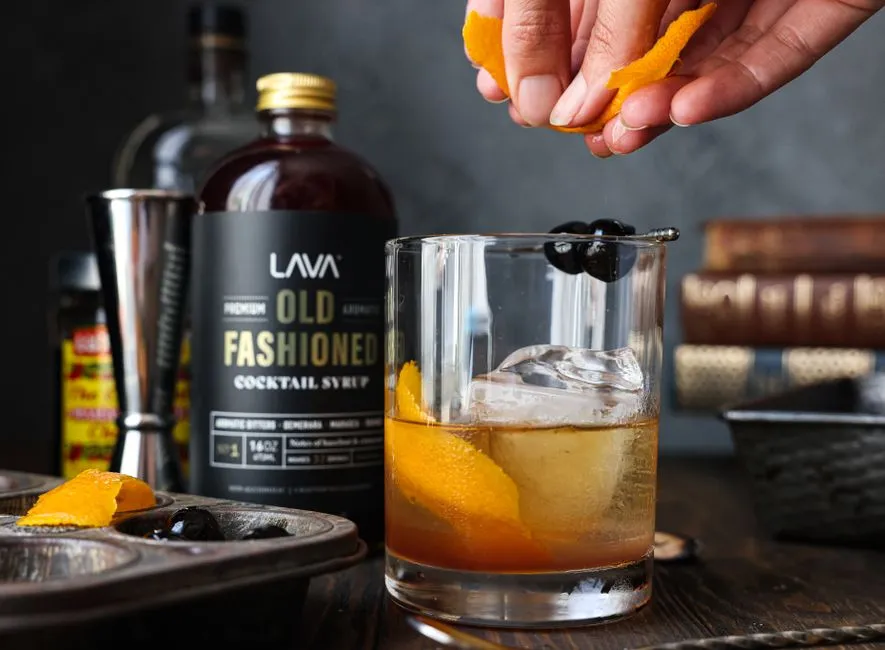
The Old Fashioned, Done Right
The Old Fashioned is the whiskey cocktail every other whiskey cocktail gets measured against: spirit-forward, barely sweetened, and built to let a good bourbon or rye taste like itself. It's also one of the easiest drinks to get wrong in small ways — too much sugar, too little dilution, ice that melts before you've finished stirring. None of it is complicated once you understand what each ingredient is doing.
Here's the short version: 2 ounces bourbon or rye, 1 sugar cube (or ¼ ounce simple syrup), 2–3 dashes Angostura bitters, stirred with ice, served over a large cube, garnished with an orange peel. Everything below is the "why" behind that ratio, plus the tools and technique that make the difference between a good Old Fashioned and a forgettable one.
A Little History
The Old Fashioned's name is a bit of a joke on itself: it dates back to the late 1800s, when bartenders started experimenting with newer cocktail styles — extra liqueurs, fruit, elaborate mixers — and some drinkers pushed back by ordering their whiskey cocktail "the old-fashioned way": spirit, sugar, bitters, water, nothing else. The name stuck, and so did the formula. Every fashionable variation that's come and gone since — fruit muddled into the glass, flavored syrups, novelty bitters — has eventually circled back to some version of that original, stripped-down build, which is a decent argument for why it's worth learning the classic version first.
What You Need
Ingredients
- 2 oz bourbon or rye whiskey
- 1 sugar cube, or ¼–⅓ oz simple syrup
- 2–3 dashes Angostura bitters
- A wide swath of orange peel
- Ice — one large cube, ideally
Tools
- A rocks glass (also called an Old Fashioned glass)
- A bar spoon
- A mixing glass or sturdy pint glass
- A peeler or paring knife for the citrus
If you're assembling a home bar from scratch, the home bar essentials guide covers the full kit — jiggers, strainers, the works — beyond what this one drink requires.
Step-by-Step Method
1. Dissolve the sugar. If using a sugar cube, drop it into the mixing glass and saturate it with the bitters, then add a splash of water and muddle briefly until it breaks down. Simple syrup skips this step entirely — it's already dissolved, which is why most bartenders reach for it instead of a cube. Either version works; syrup is just faster and more consistent.
2. Add the whiskey and bitters. Pour in the 2 oz of bourbon or rye along with the remaining bitters.
3. Add ice and stir. Fill the mixing glass with ice and stir for about 20–30 seconds. You're chilling the drink and adding a small, deliberate amount of water — dilution isn't a flaw here, it's part of the recipe. A drink that's only cold and never diluted tastes sharp and closed off; the right amount of water opens up the aroma and rounds off the alcohol's edge.
4. Strain over fresh ice. Strain into your rocks glass over one large ice cube. A single big cube dilutes more slowly than a handful of small ones, so the drink stays balanced from the first sip to the last.
5. Express and add the orange peel. Cut a wide strip of orange peel, hold it skin-side down over the glass, and give it a firm twist to release the citrus oils across the surface of the drink. Run it around the rim, then drop it in. That oil is doing real aromatic work — smell the glass before you sip and you'll notice it.
The Right Glass for an Old Fashioned
The name isn't a coincidence — the "Old Fashioned glass" is a short, wide tumbler, also called a rocks glass, built specifically to hold a large ice cube alongside a modest pour. But it's not the only glass that works, and which one you reach for depends on what you're optimizing for.
| Glass style | Why it works | Worth knowing |
|---|---|---|
| Rocks glass (Old Fashioned glass) | Wide base holds a large cube without crowding; short walls keep the drink easy to sip and stir in-glass | The classic choice, but a thin-walled version can feel light and less substantial in hand |
| Double rocks / DOF | Extra volume for a big cube plus room to stir without spilling | Bulkier — takes up more shelf and freezer-tray space if you're matching ice to glass |
| Glencairn | Tapered bowl concentrates aroma, good for sipping neat before you decide to build a cocktail | Too small and narrow for ice and stirring room — not built for this drink |
For an Old Fashioned specifically, a rocks or double-rocks glass is the honest answer. If you want to compare glass styles more broadly for neat pours and other cocktails, that's a separate decision with its own tradeoffs.
Ice Matters More Than People Expect
Ice isn't just a chilling agent in an Old Fashioned — it's an ingredient. A large, dense cube melts slower than a handful of small cubes with the same total volume, because it has less surface area relative to its size. Less surface area in contact with the drink means slower melt, which means the cocktail stays properly diluted for longer instead of turning watery by the second sip.
Cloudy ice from a standard freezer tray isn't a flaw you need to fix — it tastes the same as clear ice — but if presentation matters to you, clarity comes from how the water freezes, not what kind of water you use. The guide to making clear ice at home walks through the directional-freezing method that produces those clean, bar-quality cubes.
Common Mistakes
Too much sugar. A heavy hand with simple syrup turns the drink into whiskey-flavored sugar water. Start at the low end of the range and adjust up — you can always add more, but you can't take it out.
Skipping the stir. Shaking is for drinks with juice or egg white that need aeration. An Old Fashioned should be stirred, not shaken — shaking over-dilutes it and leaves unwanted ice chips and cloudiness in a drink that's supposed to look clean.
Using small, fast-melting ice. A drink built with cracked ice or small cubes dilutes fast and gets watery before you're halfway through. This is the single easiest upgrade: swap in one large cube and the whole drink improves.
Skipping the citrus oil. Dropping a peel in without expressing the oils over the glass first skips most of the aromatic payoff. The twist matters more than the peel itself.
Reaching for cheap whiskey to "save" a good bottle. The Old Fashioned is simple, not forgiving — with only three ingredients, the whiskey's flavor has nowhere to hide. A rough or thin whiskey tastes rough and thin in this drink, just colder. This isn't the cocktail to use up something you don't actually enjoy sipping.
Batching an Old Fashioned for a Crowd
For a dinner party or a few rounds of drinks, you can scale the recipe up and mix it in advance, minus the ice and garnish. Multiply the whiskey, sugar, and bitters by the number of servings and combine them in a pitcher or bottle — this is essentially a "batched" version of the stirred step, done ahead of time and refrigerated.
Hold off on the water dilution and the ice until you're ready to serve. Pour a single serving over a fresh large cube per glass, stir briefly to finish chilling and diluting it, then garnish. Batching the spirit-and-bitters base ahead of time saves you from standing at a mixing glass all night, without sacrificing the fresh-stirred texture that makes the drink work.
Variations Worth Trying
Once the classic version is dialed in, a few variations are worth knowing:
- Rye instead of bourbon — rye's spicier, drier profile pairs well with the sugar and bitters and is arguably the more traditional choice historically.
- Different bitters — orange bitters or a dash of aromatic bitters blended with Angostura change the character without touching the core structure.
- Smoked Old Fashioned — a wood-smoke infusion adds a layer of aroma that plays well with bourbon's char notes. If you're curious whether the smoker gadgets behind this trend are worth owning, the cocktail smoker kit guide breaks down what they actually change in the glass before recommending any.
- Demerara syrup — swapping standard simple syrup for one made with demerara sugar adds a light molasses note that many bourbon drinkers prefer.
None of these change the fundamentals: good whiskey, restrained sweetness, real dilution, and ice that does its job slowly. Get that right and every variation is just a matter of taste from there.