Are Whiskey Stones Worth It? What They Do (and Don't)
The Quick Verdict
Whiskey stones are worth it for one specific job: keeping a pour cool without watering it down. They are not worth it if what you actually want is a cold drink. That's the trade-off in full, and almost every complaint or compliment about whiskey stones traces back to it.
Stones work by soaking up cold in the freezer and releasing it slowly into your glass. Because they never melt, they never add water — which is exactly why whiskey drinkers who dislike dilution reach for them. But melting is also where ice gets most of its cooling power, so skipping it costs stones far more temperature drop than most product copy admits.
If you want genuinely cold whiskey, ice does that job better — full stop. If you want a whiskey that stays close to its poured temperature with zero dilution, stones do exactly what they promise.
What Whiskey Stones Actually Do
Whiskey stones are small cubes of dense material — usually soapstone, sometimes stainless steel or ceramic — that you chill in the freezer for a few hours, then drop into a glass in place of ice. Three or four cubes per pour is the usual serving.
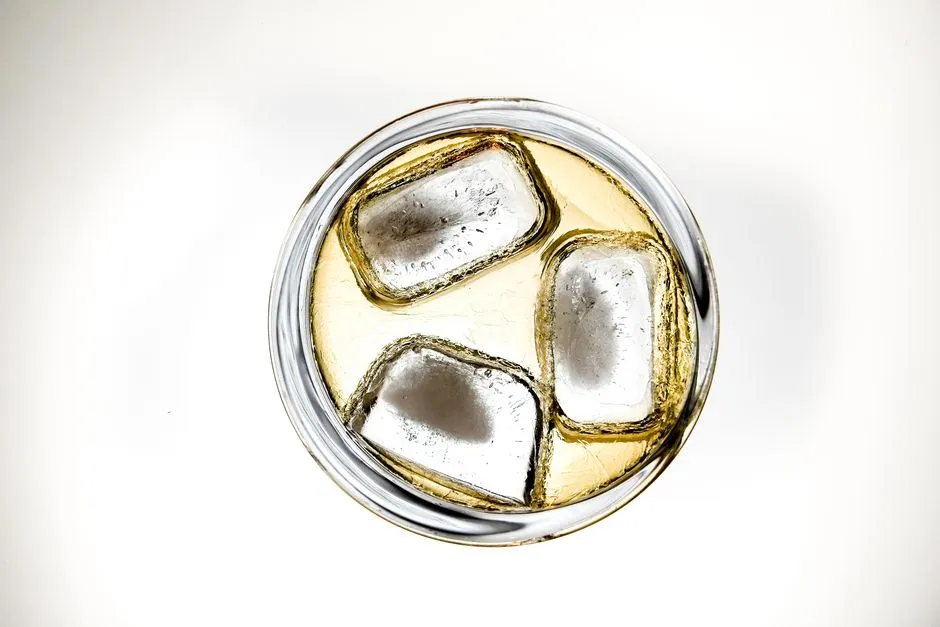
The appeal is straightforward: whiskey stones cool a drink by a few degrees without ever melting, so the whiskey you finish tastes the same as the whiskey you poured. Ice, by contrast, is diluting your drink from the moment it hits the glass, even before you can taste the difference.
The limitation is just as straightforward, and it's worth stating plainly because a lot of marketing glosses over it: whiskey stones chill less than ice. Ice cools a drink largely through its melting process — turning solid to liquid absorbs a surprisingly large amount of heat energy, which is why a single ice cube pulls temperature down fast. Stones have only their own stored cold to give, so they lower the temperature by a modest amount and then level off, holding the drink cool-ish rather than cold.
Who Whiskey Stones Are Actually Worth It For
Whiskey stones make the most sense for a specific kind of drinker, not whiskey drinkers in general.
- People who drink whiskey neat but want it slightly below room temperature. A small temperature drop can mute some of the alcohol's heat on the nose without adding a drop of water to the pour.
- Anyone who finds dilution ruins the point. If you've chosen a whiskey specifically to taste its cask character, water from melting ice is a real variable you might want to remove.
- Travelers, campers, and desk drinkers without reliable access to an ice maker or a freezer with cube trays — stones just live in the freezer and go straight into the glass.
- Gift buyers looking for something functional rather than decorative. A set of stones with a small pouch or wooden box reads as a thoughtful, low-cost gift; see our broader list of whiskey gifts under $50 for where stones fit alongside other options.
Who Should Skip Them
- Anyone who actually wants a cold drink. If the goal is a properly chilled rocks pour, stones will disappoint, and no brand or material solves it.
- Cocktail drinkers. Whiskey cocktails like an Old Fashioned rely on dilution from melting ice as part of the recipe, not as an accident to avoid. Stones don't belong in a stirred or shaken drink.
- People who forget to plan ahead. Stones need several hours in the freezer before they're useful. Ice, from a standard freezer tray, is always ready.
Worth Knowing: The Honest Drawbacks
Even within their intended use case, whiskey stones have real limitations worth knowing before you buy:
- Limited cooling ceiling. Most sets bring a pour down modestly, then hold there — they will not turn a room-temperature whiskey cold.
- Diminishing returns over time. As stones warm toward the drink's temperature, their cooling effect tapers off well before the glass is empty.
- Clacking noise and edges. Stone cubes can feel and sound harsher against glass and teeth than ice. With soapstone the wear runs one direction: the stone is far softer than glass, so its own corners round off and chip over years of use while your glassware is unaffected.
- Cleaning is a chore people skip. Stones need to be washed and fully dried between uses. Whiskey residue left on the surface, plus any moisture that goes back into the freezer with them, is what picks up freezer smells and carries them into your next pour.
- Storage space. A set takes up permanent freezer real estate, unlike ice trays that come and go.
Types of Whiskey Stones Compared
Not all whiskey stones behave the same way. The material changes how fast they chill, how long the effect lasts, how they age, and how much upkeep they ask for.
| Type | How It Chills | Relative Cooling Duration | Durability | Cleaning Effort |
|---|---|---|---|---|
| Soapstone (steatite) | Takes on cold slowly and gives it back steadily; the classic and most common choice | Longest steady hold of the three, though still modest against ice | Softest of the three — much softer than glass, so corners round off and chip over years while glassware stays unmarked | Hand wash and dry fully; the stone is non-porous and non-absorbent, so anything left behind sits on the surface |
| Stainless steel | Conducts heat faster, so it can feel colder against the glass in the first minute | Gives up its stored cold at a faster rate than soapstone | Effectively chip-proof, but roughly as hard as glass — drop one into a thin-walled tumbler carelessly and the glass is what's at risk | Quickest to rinse clean; often dishwasher-safe, though it shows water spots |
| Ceramic | Cooling behavior close to soapstone | Similar to soapstone | Harder than soapstone; more likely to crack than to chip if dropped | Usually dishwasher-safe and the least fussy of the three; selection is more limited than soapstone |
The differences here are about feel, upkeep, and how quickly each material gives up its stored cold — not about closing the gap with ice. No material choice changes the ceiling.
How to Get the Most Out of Whiskey Stones
A few habits make a real difference in how well stones perform:
- Freeze them longer than you think. A few hours minimum; overnight is better for full cooling capacity.
- Use three or four cubes, not one or two. More thermal mass means a longer-lasting, more noticeable chill.
- Pour into a chilled glass if you have one. A room-temperature glass steals some of the stones' cooling capacity before it ever reaches your whiskey.
- Wash and fully dry stones after every use. This is the single biggest factor in avoiding off-flavors from freezer storage.
- Don't expect them to rescue a warm pour. Stones maintain temperature better than they lower it — start with whiskey that's already at a reasonable temperature.
What to Look For When Buying
If you've decided stones fit how you drink, a few features separate a set worth keeping from one that ends up in a drawer:
- Set size. Look for at least six to eight cubes per set so you can pull a fresh, cold batch while a used batch is back in the freezer.
- Included storage. A pouch or small wooden box keeps stones together in the freezer instead of scattered loose next to the ice cream.
- Rounded edges. Lightly rounded corners are gentler on teeth, and on soapstone they hold their shape longer than sharp-cut cubes, which chip first at the points.
- Material match to your habits. If you tend to forget things in the freezer for weeks, ceramic's easier cleanup is a practical edge over soapstone.
Skip anything marketed with vague superlatives about cooling power — no stone set changes the underlying physics, and claims that imply otherwise are marketing, not spec.
Whiskey Stones vs. Ice, in Short
The two aren't really competing for the same job. If you want a comprehensive side-by-side on temperature drop, dilution, and which fits which drinking style, see our full breakdown in whiskey stones vs. ice. For drinkers who want real cold — for a rocks pour or a cocktail — a good ice mold for whiskey is the better tool, because the melting a stone can't do is what pulls the temperature down. For drinkers protecting a pour from dilution above all else, stones remain the simpler, no-melt answer.
Bottom Line
Whiskey stones are a genuinely useful, inexpensive accessory for a narrow purpose: keeping whiskey from warming up too fast without adding a drop of water. Sets typically run in the $15-$30 range, and prices vary by retailer and material. They are not a substitute for ice when the goal is a cold drink, and no amount of freezer time changes that — it's basic physics, not a quality issue. Bought with that expectation, they do their one job well.